
Inside the Futsal Superleague 2026: A Coach’s View
This season, Shingo had the opportunity to be part of the Canterbury Pride Women’s team as an assistant coach. Here are some reflections and observations from the Superleague.
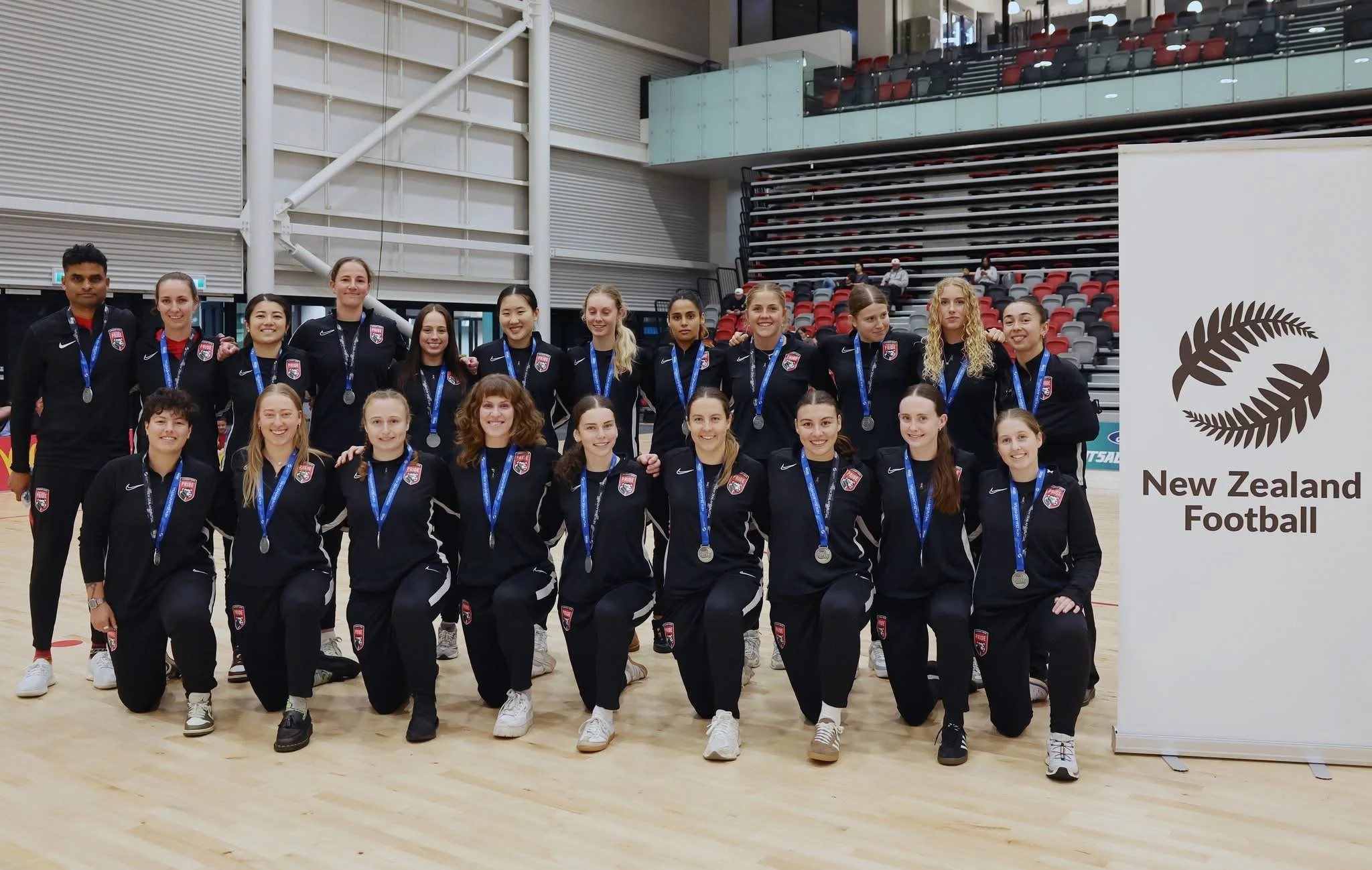
2026 Superleague Canterbury Pride Women’s Team
The Difference Between 1st and 2nd
One of the biggest takeaways from this year’s Superleague was the small but important difference between finishing first and second, with Canterbury Pride finishing as runners-up after the final against Wellington. Wellington showed a high level of individual futsal ability, but more importantly, a strong understanding of team shape, roles, and overall structure. Their attacking and defending patterns were clear, and they executed them consistently throughout the game. When Canterbury Pride had possession, there were moments where we looked uncertain in fully carrying out what we wanted to do. In contrast, Wellington played with greater confidence in their passing and decision-making. At this level, the difference often comes down to clarity, confidence, and the ability to consistently execute the fundamentals under pressure.
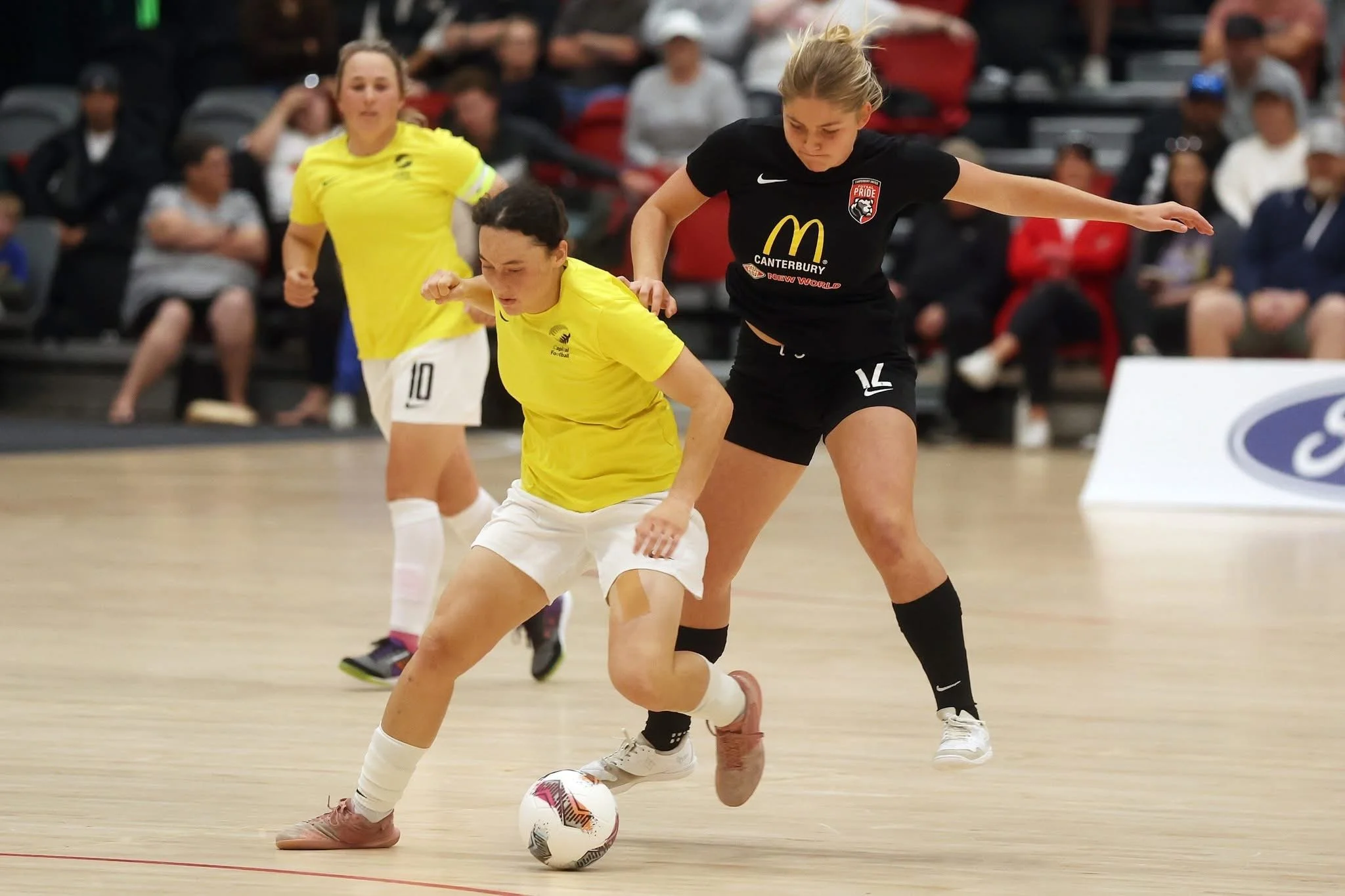
Final match Canterbury Pride vs Wellington Capital team
What Players Don’t See from the Sideline
From the sideline, the focus is often less on the player with the ball and more on everything happening around them. A big part of what I observe is decision-making, not just the final action, but what options were available in that moment. In futsal, the player on the ball typically has five options: pass to one of three teammates, dribble, or shoot. These options are only valuable if they are used with the intention of creating a goal. At the same time, when we are defending, the focus shifts to how effectively we are limiting those choices. Understanding the game beyond just the ball is key to developing as a futsal player.
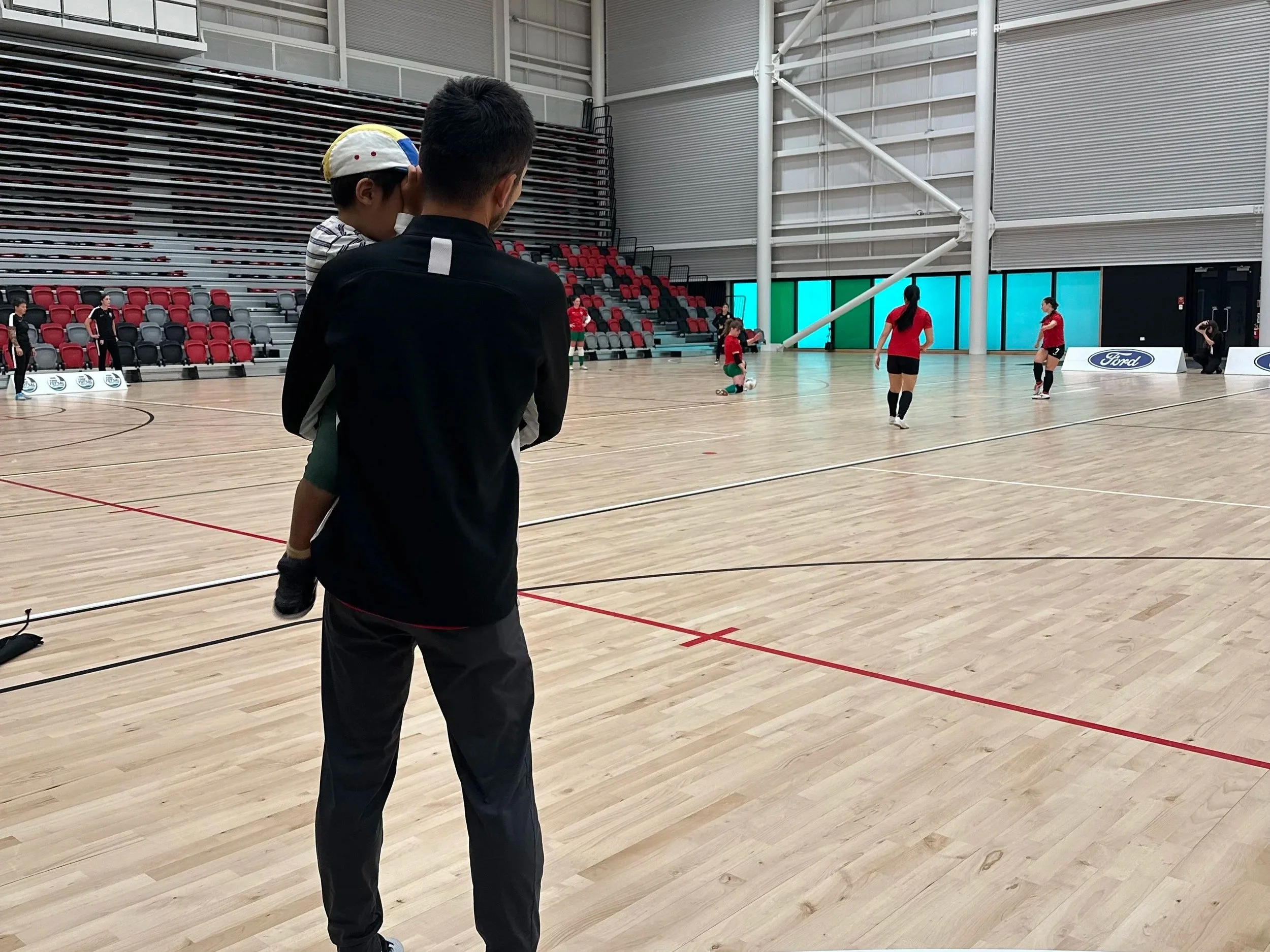
Assistant Coach Shingo Ina for the 2026 Superleague Canterbury Pride Women’s team
Growth of the League
Looking at the Superleague as a whole, the level of futsal across New Zealand has continued to improve. Over the past 17 years of observing the competition, there has been a clear increase in the overall skill level of players across all federations. This year’s format also brought positive changes, with games spread across weekends rather than being played in back-to-back blocks. This allowed for a more consistent level of performance and gave more players the opportunity to be involved. Within the Canterbury Pride team, every registered player had the chance to take the court and experience the level of competition. The final also featured a Māori opening ceremony, which was a powerful and meaningful addition, and a first for the tournament. These changes are important steps in continuing to grow the game and provide better development opportunities for players.
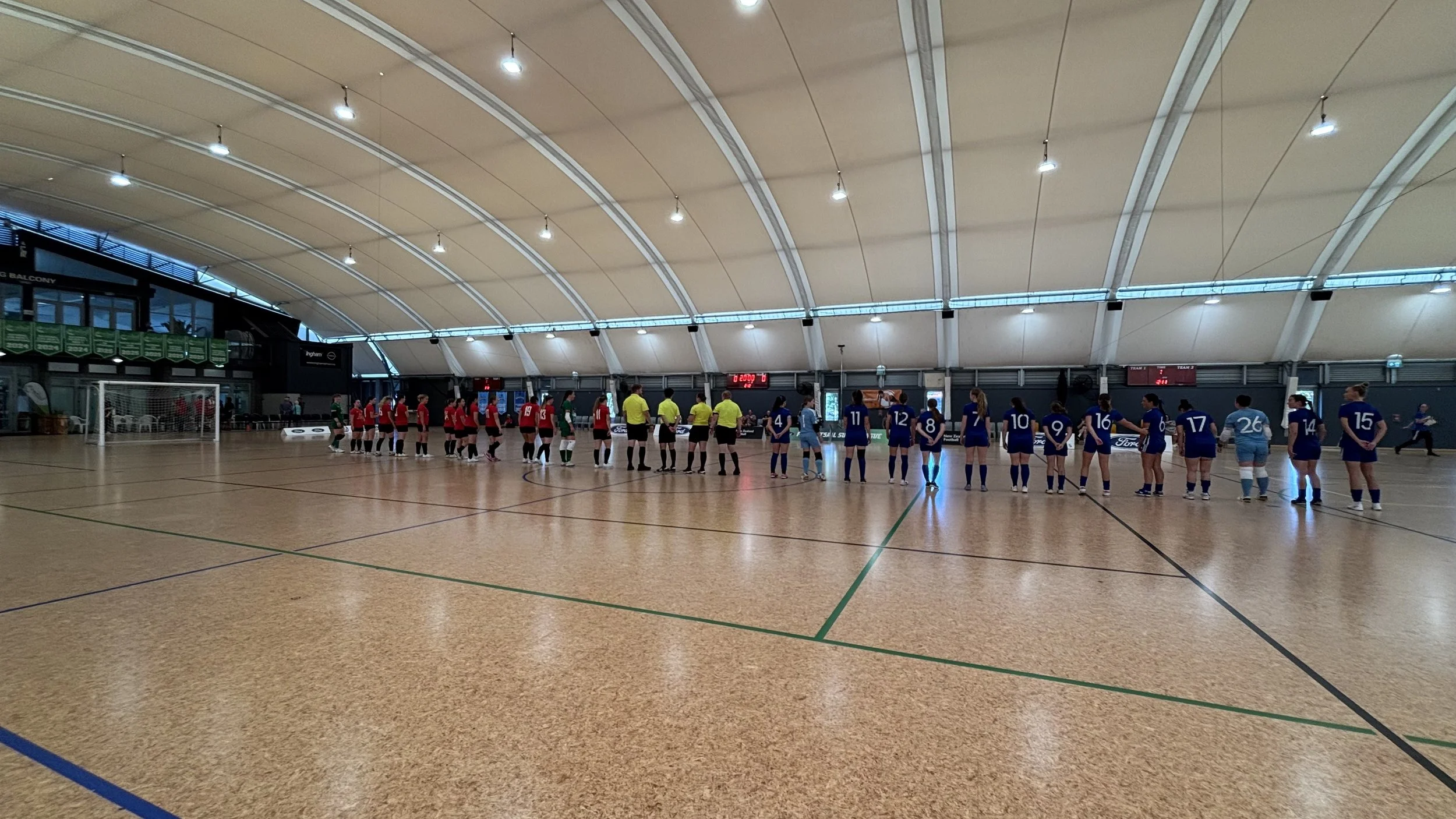
Canterbury Pride Women’s team vs Auckland Papakura team
